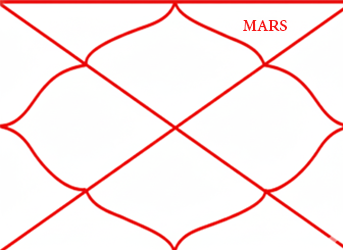
When Mars (Mangal) is placed in the Third House of a birth chart, it brings immense courage, energy, and determination. The Third House, also called Parakrama Bhava, governs bravery, communication, siblings, efforts, short travels, and skills. Mars, being a planet of action and confidence, feels quite comfortable here.This placement makes a person bold, hardworking, and adventurous, often leading them to take the initiative in life. However, if afflicted, Mars can also make one argumentative, impatient, or overly competitive. General Characteristics People with Mars in the 3rd house are naturally brave and active. They believe in doing things themselves rather than…
-
-
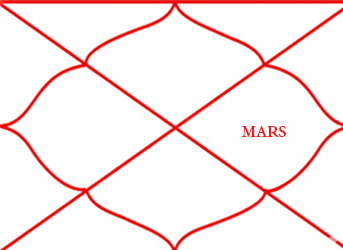
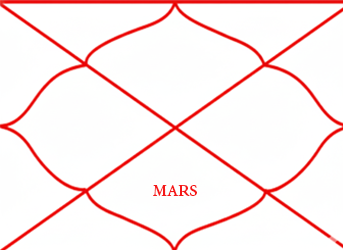
When Mars (Mangal) is placed in the Second House of a birth chart, it influences a person’s speech, wealth, family life, and values. The Second House, known as the Dhana Bhava, represents income, accumulated wealth, food habits, voice, and family harmony. Mars is a fiery planet that brings energy, courage, and assertiveness.When this fiery planet occupies the house of wealth and speech, it creates both strength and challenges — depending on its placement and aspects. General Characteristics Mars in the 2nd house gives a person strong willpower, financial ambition, and a bold speech. These natives are determined to create wealth…
-
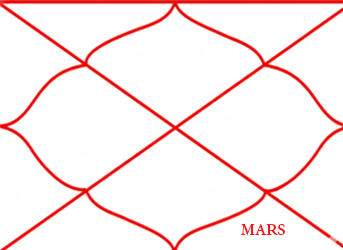
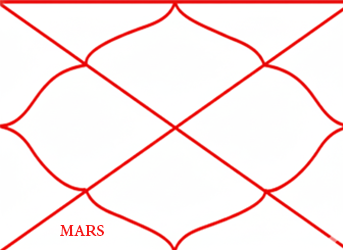
When fiery Mars (Mangal) occupies the First House (Lagna) in a birth chart, it gives a strong, dynamic, and action-oriented personality. The First House represents the self, physical body, nature, and life direction, while Mars is the planet of energy, courage, aggression, and ambition.This combination creates a person who is bold, confident, and driven to lead — but it can also make one impulsive or hot-tempered if not balanced properly. General Characteristics People with Mars in the 1st house are usually energetic, enthusiastic, and passionate about achieving their goals. They prefer to take charge of their life rather than depend…
-
The Moon in the twelfth house is a deeply spiritual and introspective placement. The twelfth house, also known as Vyaya Bhava, represents losses, foreign lands, isolation, sleep, dreams, subconscious mind, spirituality, and liberation (moksha). When the Moon – the planet of emotions, mind, and sensitivity – is placed here, it gives the person a rich inner world, deep emotions, vivid imagination, and spiritual leanings. This placement connects the native’s emotions with the unseen realms of life – dreams, intuition, and divine energy. General Characteristics Moon in the twelfth house makes a person highly emotional, compassionate, and intuitive, but also sensitive…
-
The Moon in the eleventh house is one of the most beneficial placements in a birth chart. The eleventh house, also known as the Labha Bhava (House of Gains), represents income, success, prosperity, ambitions, elder siblings, and fulfillment of desires. When the gentle and emotional Moon occupies this house, it creates opportunities for financial growth, popularity, and emotional satisfaction through social connections and achievements. General Characteristics The Moon in the eleventh house blesses the native with a friendly nature, emotional intelligence, and strong social influence. Such individuals are kind-hearted, cooperative, and emotionally connected with their friends and society. They are…
-
The Moon in the tenth house is a powerful placement influencing career, reputation, authority, and public life. The tenth house (Karma Bhava) represents one’s profession, social status, achievements, responsibilities, and recognitionin society. When the sensitive and emotional Moon occupies this house, it connects the native’s emotions and mind directly with their professional life and public image. General Characteristics Moon in the tenth house makes a person emotionally driven toward success and recognition. Such individuals find emotional satisfaction through work, status, and social contribution. Their mind is constantly focused on career goals, responsibilities, and achievements. They usually possess a strong public…
-
The Moon in the ninth house is a highly auspicious and spiritual placement in Vedic astrology. The ninth house (Dharma Bhava) governs luck, destiny, higher knowledge, religion, long journeys, spirituality, ethics, and father. When the soft, emotional, and imaginative Moon occupies this house, it fills the native with faith, idealism, curiosity, and a love for learning and travel. General Characteristics Moon in the ninth house makes the native spiritually inclined, emotionally idealistic, and attracted to philosophy and religion. These individuals have a deep faith in divine power and often find emotional satisfaction in spiritual or moral pursuits. They are curious…
-
The Moon in the eighth house is one of the most mystical and deeply transformative placements in Vedic astrology. The eighth house (Randhra Bhava) governs mysteries, longevity, transformation, occult knowledge, inheritance, hidden secrets, sudden gains or losses, and rebirth. When the soft, emotional, and changeable Moon resides here, it creates a deep emotional and psychological impact on the native’s life. General Characteristics The eighth house is often called the house of mystery and transformation, and when the Moon is placed here, it gives the native a sensitive, secretive, and emotionally intense nature. These individuals experience deep emotional undercurrents that others…
-
The Moon in the seventh house is one of the most sensitive and relationship-oriented placements in Vedic astrology. The seventh house (Yuvati Bhava) governs marriage, partnerships, public relations, and dealings with others. When the emotional and ever-changing Moon occupies this house, it directly affects how a person connects with their spouse, business partners, and the public. General Characteristics The Moon in the seventh house makes the native emotional, understanding, and relationship-focused. Such individuals seek emotional security through companionship. Marriage, partnerships, and social interactions play a major role in shaping their life and mental peace. Their happiness depends heavily on the…
-
The Moon in the sixth house of a birth chart brings a complex blend of emotional sensitivity and the challenges of daily struggles, service, and competition. The sixth house (Shatru Bhava) in Vedic astrology governs enemies, diseases, debts, competition, service, and routine work. When the emotional and changeable Moon is placed here, it influences how a person deals with stress, health, conflicts, and work responsibilities. General Characteristics The sixth house is a house of challenges, and the Moon represents mind, emotions, and feelings. When the Moon resides here, the native’s mind often remains restless and emotionally reactive to everyday problems.…